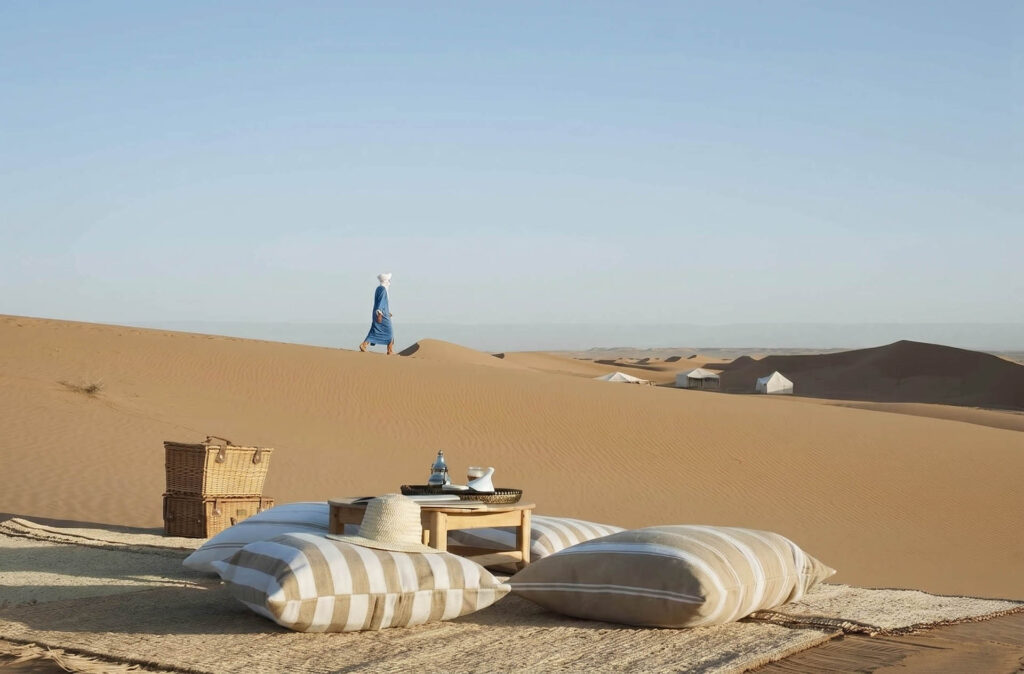
Experiential Travel In Morocco: Discover Berber Culture
Culturally immersive travel offers an opportunity to look beyond the famous sights of a destination and connect more deeply with the people, traditions, and landscapes that shape it.
Morocco is home to a rich cultural landscape influenced by Arab, Berber, African, Andalusian, Jewish, and Mediterranean traditions. Among the country’s most distinctive cultural groups are the Berber people, also known as the Amazigh, whose communities have lived across North Africa for thousands of years.
From the winding valleys of the Atlas Mountains to remote mountain villages and the foothills of the Sahara, Berber culture remains closely connected to the landscapes of Morocco. Traditional crafts, agriculture, architecture, music, food, and hospitality continue to play an important role in communities throughout the country.
For travelers, the Atlas Mountains offer a particularly rewarding setting to experience Berber culture firsthand. Here, mountain landscapes, traditional villages, agriculture, and everyday life remain closely connected, while hiking and mountain biking provide an active way to explore the region and meet the communities who call it home.
VIEW MOROCCO TOURS
Who Are Morocco’s Berber People?
The term “Berber” is widely used to describe the indigenous peoples of North Africa. Many people today also use the name Amazigh, meaning “free person,” and Imazighen for the plural.
Morocco is home to several distinct Berber groups, each with their own dialects, customs, artistic traditions, and relationships with their ancestral lands. Although they share a broader cultural heritage, Berber traditions can vary considerably from one region to another.
Morocco’s principal Berber linguistic traditions include Tachelhit, spoken widely in the southwest and parts of the High Atlas; Central Atlas Tamazight, spoken across much of the Middle and High Atlas; and Tarifit, associated primarily with the Rif Mountains.
For travelers, this regional diversity is part of what makes Berber culture so fascinating. The architecture, textiles, food, music, agricultural practices, and traditions encountered in a High Atlas village may differ significantly from those found farther south.
Together, they form a living cultural heritage that continues to evolve while remaining deeply connected to the landscapes of Morocco.
Morocco’s Berber Tribes and Regions
Morocco’s Berber communities are not a single homogeneous group. Historically, different Amazigh confederations and communities occupied distinct parts of North Africa, developing traditions adapted to their particular environments.
Among the major historical Berber groupings associated with Morocco are the Masmuda, Sanhaja, and Zenata, while numerous regional communities developed their own identities, languages, and customs over time.
VIEW MOROCCO TOURS
Today, it is often more useful to understand Berber culture through its regional traditions and languages rather than thinking of Morocco’s Berber population as a collection of separate tribes.
In the High Atlas, Berber communities have traditionally adapted their lives to steep mountain valleys, limited agricultural land, and seasonal water supplies. Farming, livestock, fruit orchards, and trade have all played important roles in mountain life.
In the Middle Atlas, communities have historically combined agriculture and livestock herding with the use of the region’s extensive forests and highland pastures.
In the Anti-Atlas and southern Morocco, Berber communities have developed traditions closely associated with dry landscapes, oasis agriculture, pastoralism, trade, and distinctive forms of craftsmanship.
In the Rif Mountains, Berber-speaking communities maintain their own linguistic and cultural traditions, influenced by the rugged Mediterranean landscape of northern Morocco.
This diversity means that there is no single definition of “Berber culture.”
Berber Life In The Atlas Mountains
For travelers seeking a deeper cultural experience, the Atlas Mountains offer one of the most rewarding settings in Morocco.
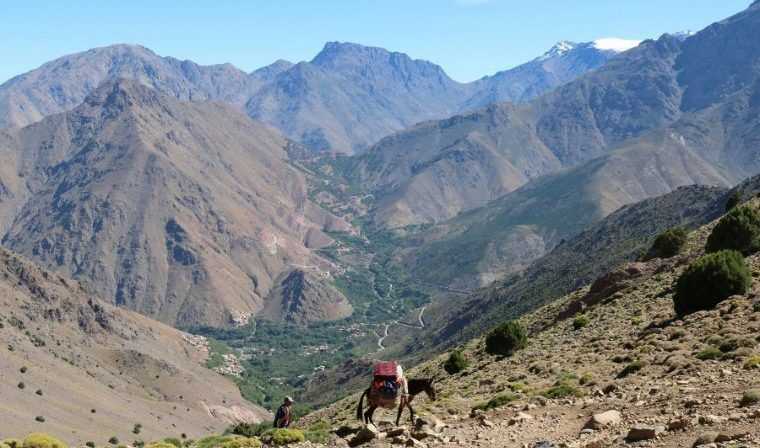
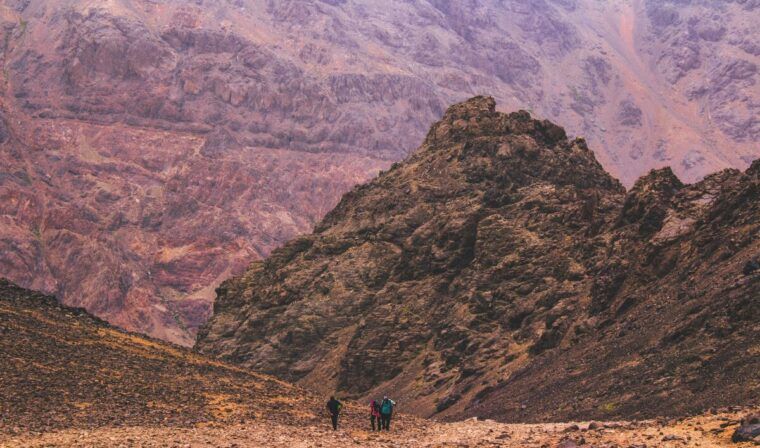
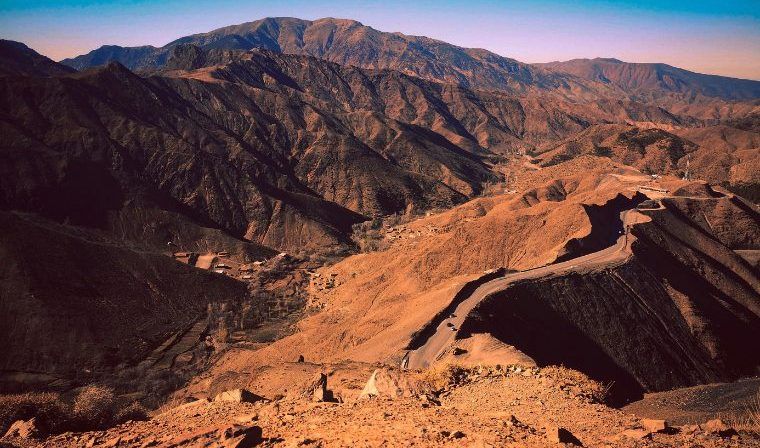
The High Atlas is a dramatic landscape of soaring peaks, deep valleys, mountain passes, and fertile river corridors. Scattered throughout these valleys are Berber villages where daily life has historically been shaped by the mountains.
Agriculture remains an important part of life in many rural communities. Small terraces follow the contours of steep slopes, while orchards and gardens flourish in valleys where water is available. Walnut, almond, apple, and other fruit trees grow alongside crops and vegetables, while goats and sheep are raised on the surrounding hillsides.
Across the Atlas Mountains, communities have developed traditional systems for managing and distributing water, allowing agriculture to flourish in an environment where rainfall can be seasonal and unpredictable.
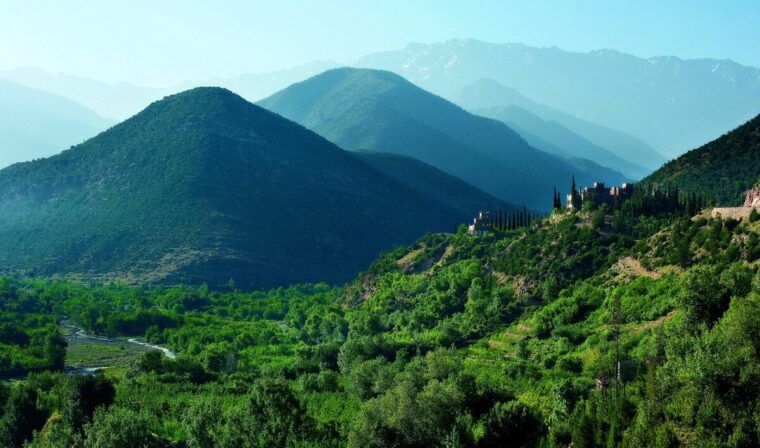
The landscape travelers see while hiking or biking through the mountains is therefore much more than a beautiful backdrop. Terraced fields, orchards, irrigation channels, footpaths, and villages all reflect generations of knowledge about how to live within a challenging mountain environment.
Villages And Traditional Architecture
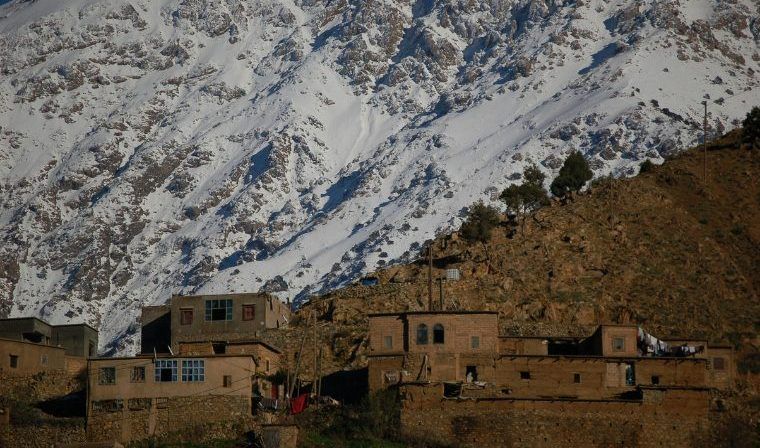
Many Berber villages in the Atlas Mountains appear to rise directly from the surrounding landscape.
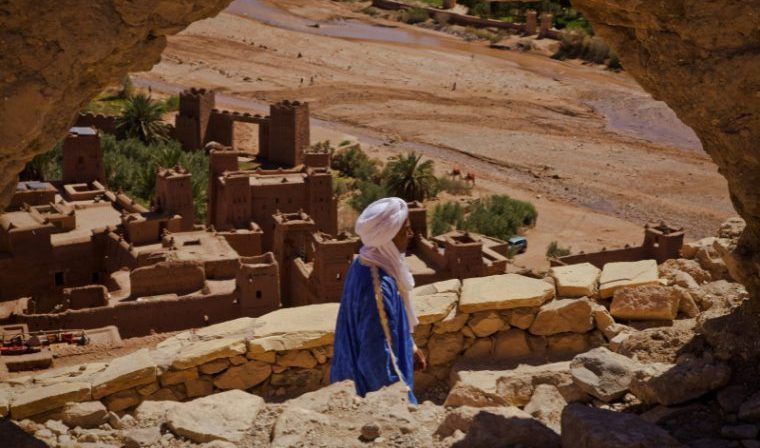
Traditional homes and communal structures have historically been built using locally available earth and stone. Thick walls help moderate temperatures, while buildings are often arranged closely together and adapted to the contours of the mountainside.
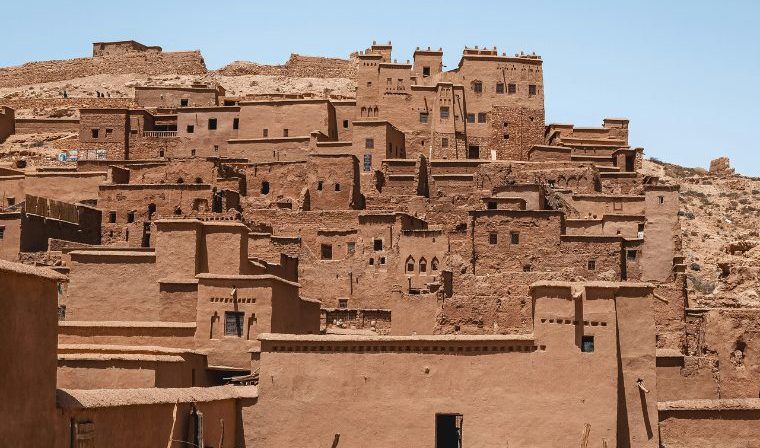
Architecture varies considerably from region to region. In some valleys, villages are dominated by earthen buildings and fortified communal structures, while elsewhere homes are constructed from stone and blend almost seamlessly into the surrounding mountains.
Walking through a Berber village with a knowledgeable local guide provides a very different perspective from simply viewing the landscape from a vehicle.
You begin to notice the details of daily life: agricultural terraces, communal gathering places, livestock, local markets, children walking between villages, and homes where generations of families have lived.
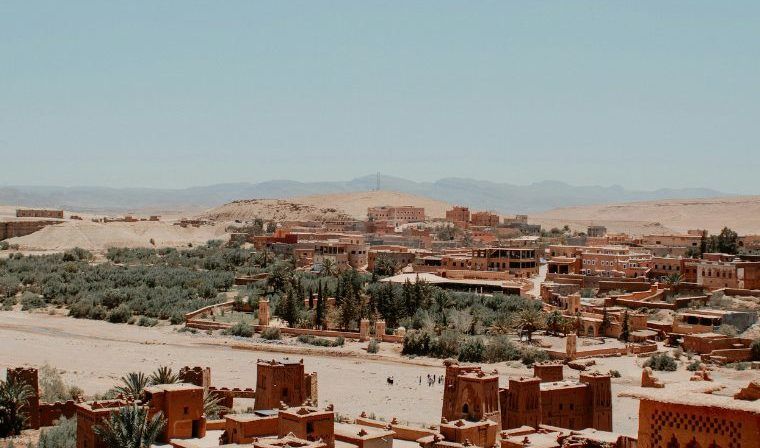
For travelers, these encounters provide context for the landscape and a glimpse into contemporary rural life in Morocco.
Traditional Berber Practices and Traditions
Berber traditions have been shaped by Morocco’s diverse landscapes and passed down through generations. From weaving and craftsmanship to music, agriculture, and food, these practices remain an important part of cultural life in many Berber communities today.
Weaving and Textiles
Weaving is one of the most recognizable forms of Berber craftsmanship in Morocco. Traditionally, women have played a central role in creating rugs, blankets, clothing, and other textiles, with techniques and patterns varying between regions and communities.
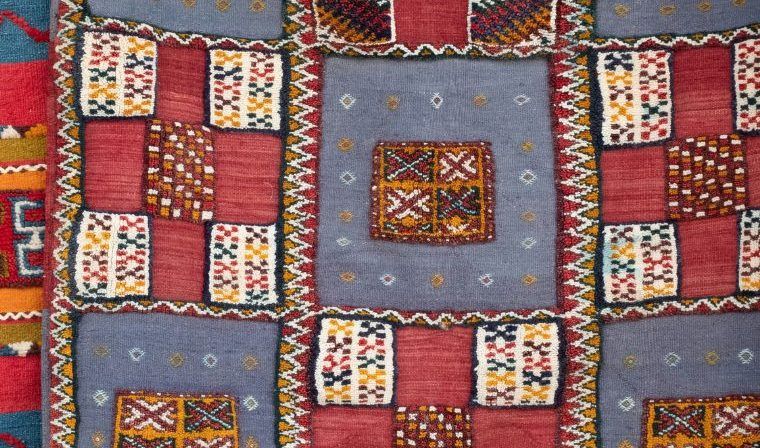
Berber textiles are often closely connected to the landscapes and traditions of the communities where they are made. Geometric patterns, natural colors, and distinctive weaving techniques can reflect local styles, family traditions, and regional heritage. Today, these textiles remain both practical and artistic expressions of Berber culture.
Music and Storytelling
Music, dance, and storytelling have long played an important role in Berber communities, providing ways to celebrate, share history, and bring people together. Traditional songs and rhythms are often performed during festivals, weddings, and other community gatherings.
Storytelling has also helped preserve knowledge and cultural traditions across generations. For travelers, experiencing local music and dance offers a glimpse into the living traditions of Berber communities and the importance of community and celebration in everyday life.
Agriculture and Traditional Knowledge
Life in the Atlas Mountains has historically depended on adapting to a challenging mountain environment. Berber communities have developed agricultural practices suited to steep valleys, limited arable land, and seasonal water supplies, growing crops such as barley, wheat, olives, almonds, and fruit.
VIEW MOROCCO TOURS
Traditional knowledge extends beyond farming to include food preparation, herbal remedies, livestock management, and the use of local natural resources. Many of these practices continue to shape daily life in mountain communities today, reflecting a deep connection between Berber culture and the landscapes of Morocco.
Berber Culture and the Moroccan Landscape
One of the most compelling aspects of Berber culture is the relationship between people and place.
Across Morocco, communities have adapted their lives to dramatically different environments: high mountain valleys, fertile foothills, dry plateaus, oasis landscapes, and the edges of the Sahara. In the Atlas Mountains, this relationship is particularly visible.
Agricultural terraces make use of steep terrain. Irrigation channels carry water from mountain sources to fields and orchards. Livestock move between grazing areas according to seasonal conditions.
Traditional knowledge about weather, crops, water, plants, and animals has been passed through generations.
For travelers exploring the mountains on foot or by bike, these details transform the landscape. What initially appears to be untouched wilderness reveals itself as a carefully managed environment shaped by generations of human knowledge.
Experiential Travel in the Atlas Mountains
Exploring the Atlas Mountains on foot or by bike offers a chance to experience Berber culture as part of the landscape rather than simply observing it from a distance.
Hiking and mountain biking routes pass through remote valleys, traditional villages, agricultural terraces, and mountain passes, providing a closer look at the landscapes and communities that define the region.
With a knowledgeable local guide, travelers can gain a deeper understanding of the places they encounter along the way. Guides can share the history of local villages, explain traditional farming and irrigation practices, introduce travelers to local crafts and customs, and provide insight into everyday life in the mountains.
The experience is both active and immersive. A mountain trail might lead from a high pass into a fertile valley, past orchards and terraced fields, and eventually into a small village where travelers stop for tea or meet a local family.
These encounters offer a more personal way to experience Morocco, connecting the adventure of exploring the Atlas Mountains with the people and traditions that have shaped the region for generations.
Visiting Berber Communities
One of the most meaningful ways to experience Berber culture is through genuine interactions with local communities.
Rather than simply passing through a village, travelers can spend time learning from the people who call the Atlas Mountains home. Depending on the journey, this might include visiting a traditional Berber home for tea, sharing a meal with a local family, meeting an artisan, learning about traditional weaving, or discovering how agriculture continues to shape life in the mountains.

The experience is not about observing a culture from the outside. It is about creating an opportunity for conversation and exchange.
A knowledgeable local guide can provide the cultural context that turns a village visit into a deeper understanding of the region, from local customs and architecture to food, language, and the relationship between communities and their environment.
Experiencing Berber Culture With Blue Parallel
A Blue Parallel journey through Morocco combines active exploration with opportunities to experience culture in a more personal and authentic way.
Travel through the Atlas Mountains with experienced local guides, hiking and biking between remote valleys, traditional villages, and spectacular mountain landscapes. Along the way, opportunities to meet local residents, visit artisans, share tea in a traditional home, or learn about local traditions provide a deeper connection to the places you explore.
Rather than simply sightseeing, these experiences offer a chance to understand how people live in the mountains and how their traditions remain connected to the surrounding landscape.
VIEW MOROCCO TOURS
From riding through agricultural valleys to sharing a meal with a local family, the journey brings together adventure, cultural immersion, and meaningful encounters with the people who call the Atlas Mountains home.
Discover Morocco Beyond the Famous Cities
Morocco’s cities offer extraordinary opportunities to experience the country’s history, architecture, food, and cultural traditions. But beyond Marrakech, Fez, and the country’s other historic cities lies a different side of Morocco.
For more information on planning a cultural journey in Morocco, contact one of our travel experts today.