The Panama Canal: A Historical Journey Through Innovation and Ambition
The Panama Canal stands as one of the world’s most remarkable feats of engineering and a lasting symbol of innovation, perseverance, and international collaboration.
Panama is a country where geography and human ambition have converged to shape the course of global history. The Panama Canal, the waterway at the heart of that history, reshaped global trade and redefined the relationship between oceans, continents, and commerce.
Stretching across the narrow isthmus of Panama, the canal connects the Atlantic and Pacific Oceans through a series of monumental locks, vast artificial lakes, and channels carved through dense jungle and rugged terrain.
More than a transportation route, it represents centuries of ambition, persistence, and ingenuity.
As specialists in private and bespoke travel to Panama, we explore the history of this engineering marvel below, from the people who built it to the legacy that surrounds one of the most important waterways on earth.
VIEW PANAMA TOURS
The History of the Panama Canal
The idea of linking the Atlantic and Pacific Oceans dates back to the earliest days of European exploration in the Americas. Spanish explorers in the 16th century quickly recognized the strategic importance of the narrow Panamanian isthmus, envisioning a route that would dramatically shorten the long and perilous voyage around South America’s Cape Horn.
For centuries, however, the idea remained only a vision. The technological challenges of carving a canal through dense rainforest, mountainous terrain, and disease-ridden swamps were immense.
Bringing the Vision of a Panama Canal to Life
The first serious attempt came in the late 19th century, led by the French under Ferdinand de Lesseps, the celebrated engineer behind the Suez Canal. Confident from his previous success, de Lesseps set out to replicate a sea-level canal through Panama.
The geography, however, proved far more complex than expected. Torrential rains, landslides, and devastating outbreaks of malaria and yellow fever ultimately led to the collapse of the French effort in 1889.
VIEW PANAMA TOURS
It would take a new generation of engineers, along with medical breakthroughs and unprecedented logistical planning, to finally transform this vision into reality.
Construction of the Panama Canal As We Know It Today
Construction of the modern Panama Canal began in 1904 under the leadership of the United States, marking one of the most ambitious engineering projects ever attempted.
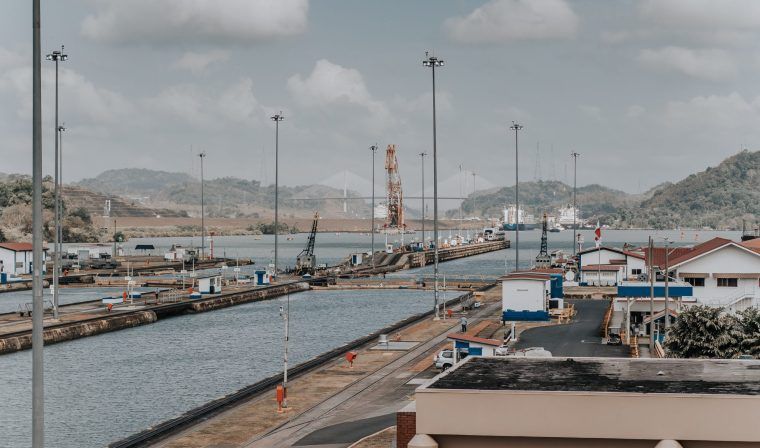
Rather than excavating a sea-level passage, engineers designed an innovative lock-based system to raise ships above sea level, allowing them to cross the continental divide before being lowered back down to the opposite ocean.
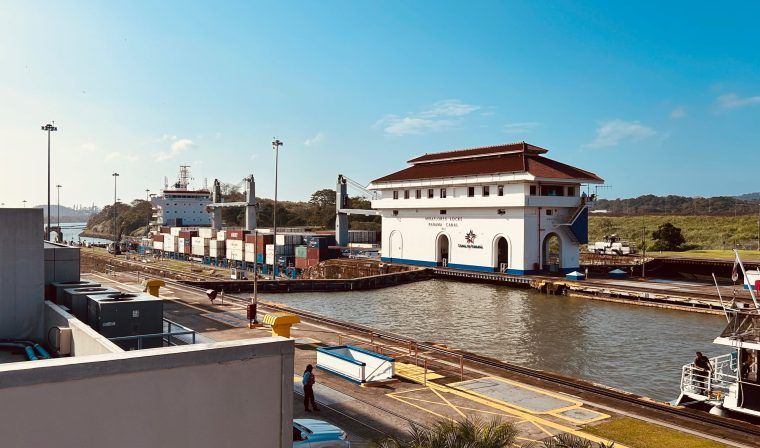
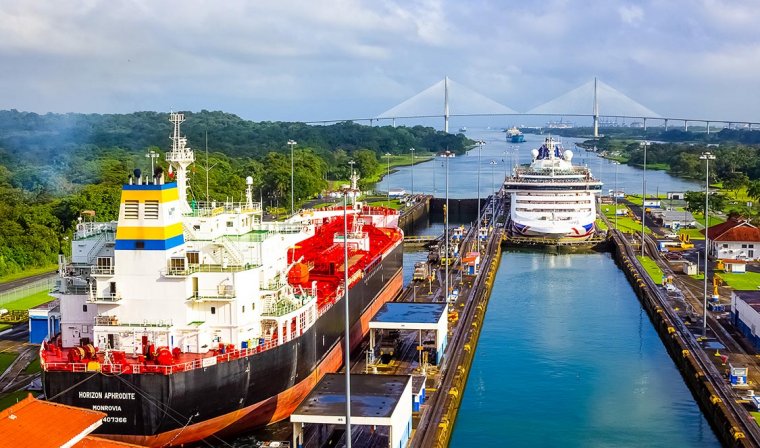
At the heart of this system are the canal’s immense lock complexes: Gatun on the Atlantic side, and Pedro Miguel and Miraflores on the Pacific side. These massive chambers function as water elevators for ships, lifting vessels more than 80 feet above sea level into the expansive Gatun Lake before guiding them across the isthmus.
The creation of Gatun Lake was itself a monumental achievement. Formed by damming the Chagres River, it became one of the largest artificial lakes in the world at the time, dramatically simplifying the canal’s construction and ongoing operation.
Equally impressive was the excavation of the Culebra Cut, originally known as the Gaillard Cut, where engineers carved a narrow passage directly through the continental divide. Millions of cubic yards of rock and earth were removed using steam shovels, rail systems, and controlled explosives, transforming one of the most difficult sections of the project into a fully navigable channel.
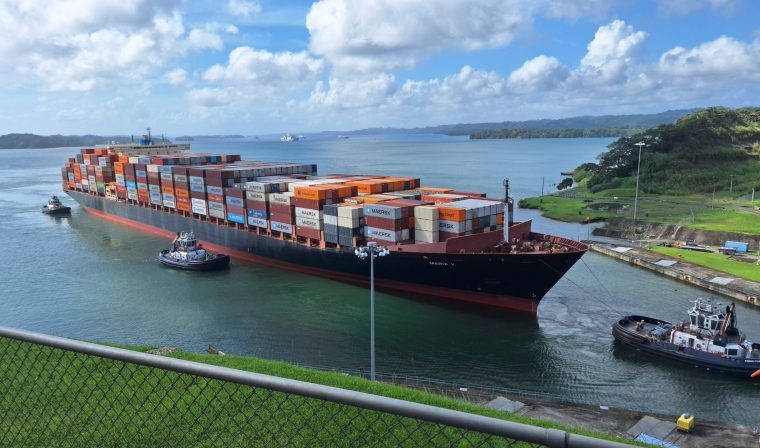
When the canal officially opened in 1914, it instantly reshaped global shipping routes, reducing travel time between the Atlantic and Pacific Oceans by thousands of miles.
The Human Story Behind the Canal
While the canal is often celebrated for its engineering brilliance, its construction is equally a profound human story, one that involved tens of thousands of workers from across the world.
Laborers arrived from the Caribbean, Europe, and North America, forming a diverse workforce that labored under extraordinarily challenging conditions. For many, the work was physically grueling, involving excavation in tropical heat, heavy machinery, and constant exposure to the elements.
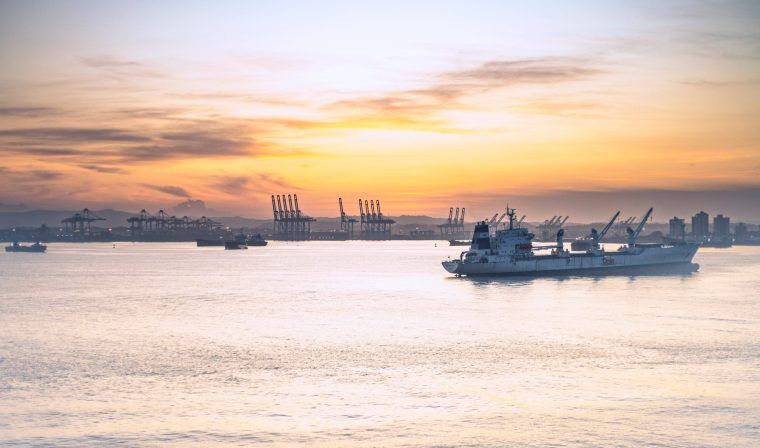
Early construction efforts were plagued by disease, particularly malaria and yellow fever. The turning point came when physician William C. Gorgas implemented groundbreaking public health measures. By eliminating mosquito breeding grounds and improving sanitation, his campaign dramatically reduced disease rates and made large-scale construction possible.
These efforts not only saved countless lives, but also went on to revolutionize tropical medicine and public health practices worldwide.
Today, the canal stands as a testament not only to engineering innovation, but also to the resilience and determination of the people who built this iconic man-made wonder, a story we bring to life for our travelers on the ground in Panama.
VIEW PANAMA TOURS
The Canal and Panama’s National Identity
Over time, the Panama Canal became deeply intertwined with Panama’s national identity and economic development.
For much of the 20th century, the canal was administered by the United States, operating as a strategic and commercial hub under American control. Growing national sentiment within Panama, however, led to negotiations that would eventually reshape the canal’s governance entirely.
In 1977, the Torrijos-Carter Treaties established a gradual transition of control from the United States to Panama. On December 31, 1999, the Panama Canal officially returned to Panamanian administration, marking a historic moment of national pride and sovereignty.
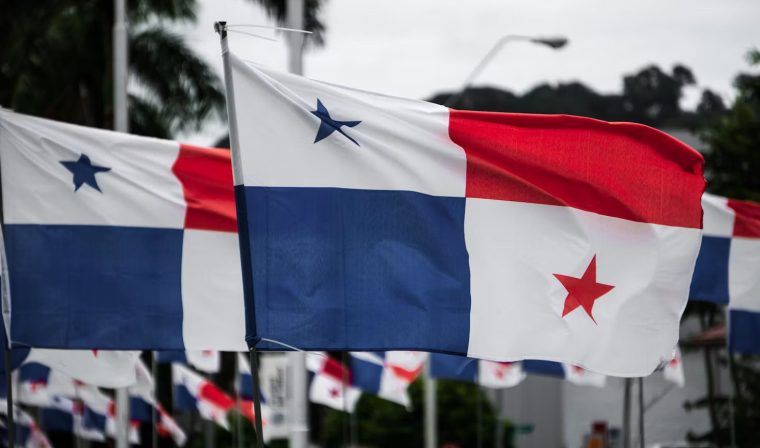
Since then, Panama has successfully managed and modernized the canal, reinforcing its position as a vital artery of global trade and a cornerstone of the country’s economy.
The Panama Canal Expansion
As global shipping evolved, so too did the canal.
By the early 21st century, many modern cargo vessels had grown too large to pass through the original lock system. In response, Panama launched one of the most ambitious infrastructure upgrades in the canal’s history, known as the Panama Canal Expansion Project.
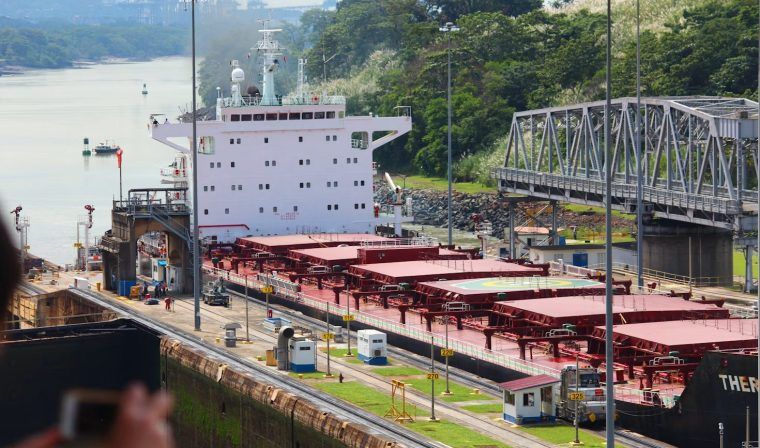
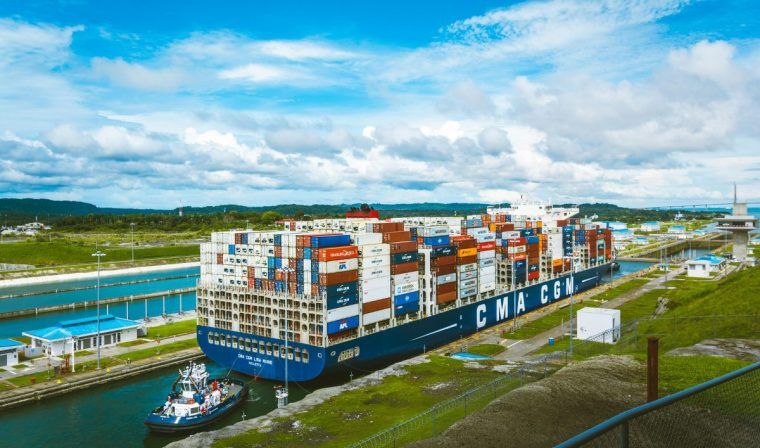
Completed in 2016, the expansion introduced a new set of larger locks known as the Neo-Panamax locks. These chambers allow significantly larger vessels to transit the canal, dramatically increasing capacity and ensuring the waterway remains competitive within global shipping.
The expansion required innovative engineering solutions, including water-saving basins and massive rolling lock gates designed to handle the scale of modern maritime traffic.
Today, ships from every corner of the globe pass through the canal each day, carrying goods that power the global economy.
VIEW PANAMA TOURS
Experiencing the Panama Canal Today
For travelers, the Panama Canal offers a rare opportunity to witness this engineering marvel in action while exploring the rich landscapes and history of Panama.
Beyond the canal itself, the nearby Panama Canal Zone and the historic district of Casco Viejo reveal further layers of the country’s past, from colonial architecture to the cultural evolution shaped by this extraordinary waterway.
Exclusive Insider Experiences
For travelers seeking the most privileged perspective on the canal, we offer an exclusive VIP tour that goes far beyond the standard visitor experience.
Accompanied by an expert engineer, you’ll enjoy a behind-the-scenes tour of the canal at the Miraflores Locks, with exclusive access to view ships up close as they rise and fall through the lock chambers on their journey between the Atlantic and Pacific.
Along the way, you’ll watch an IMAX documentary on the canal’s history before continuing on to the old barracks once home to American workers, gaining a firsthand feel for the canal’s history, economic importance, and engineering brilliance.
For an additional insider experience, travelers may opt to complete a partial crossing of the Panama Canal aboard a private yacht, accompanied by one of the head engineers. This unique tour turns the world’s most complex feats of engineering into a hands-on, one-of-a-kind experience.
VIEW PANAMA TOURS
The Best Time to Visit, and How to Extend Your Journey
The Panama Canal can be visited year-round, though many travelers choose to combine it with other regions of the country for a fuller picture of Panama’s landscapes and culture. Depending on the season, we recommend pairing your canal experience with:
- Panama City to the Pacific Coast: November through July
- Panama City to the San Blas Islands: December through April
- Panama City to the Azuero Peninsula: December through August
- Panama City to Cartagena: December through April
- Panama City to the Osa Peninsula: November through April
- Central America Unlocked, by small private jet: November through April
Our Travel Experts can help design an itinerary around the season and regions that best suit your interests, weaving the canal into a broader private journey through Panama and beyond.
Visit the Canal on a Bespoke Journey to Panama
Understanding the true significance of the Panama Canal comes from experiencing it alongside knowledgeable guides who bring its remarkable story to life. From the early visions of explorers to the engineering achievements that reshaped global trade, every section of the canal tells a story of persistence, innovation, and international collaboration.
As specialists in private and luxury travel, we design privately curated experiences that offer an in-depth, engaging way to discover the history and operation of the Panama Canal.
To learn more about private Panama tours and begin planning your bespoke journey, contact one of our Travel Experts today.